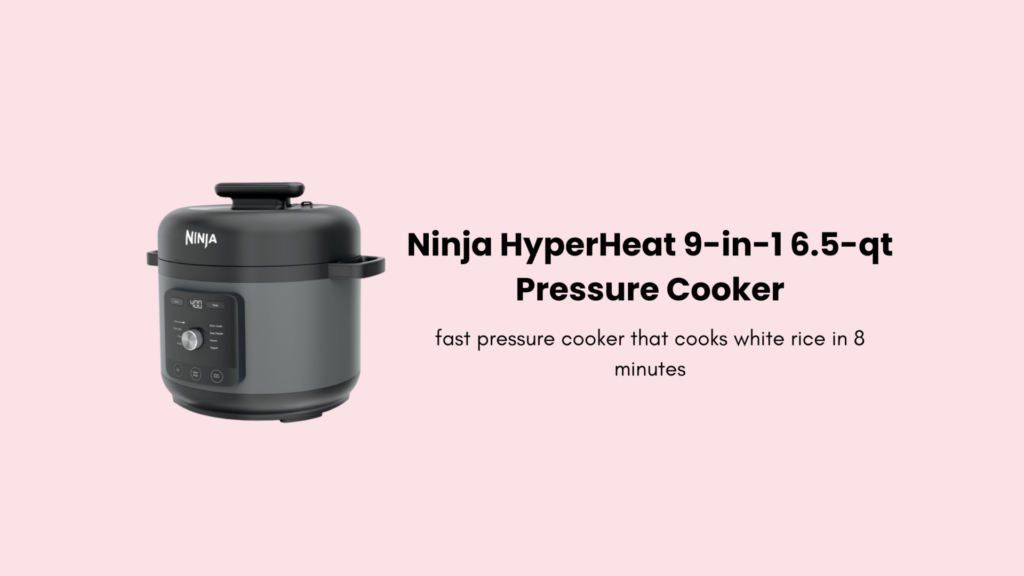
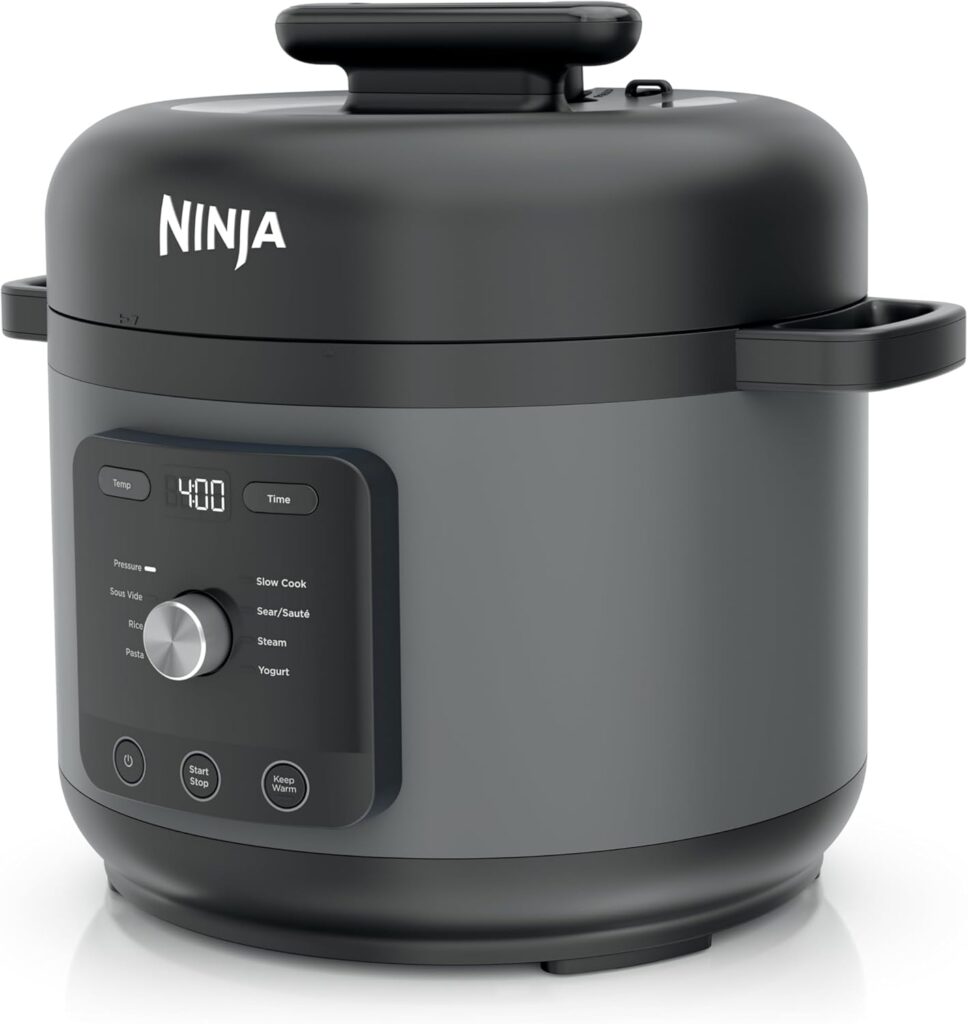
TL:DR the Ninja HyperHeat 9-in-1 6.5-qt Pressure Cooker is definitely the best pressure cooker to get for dedicated pressure cooking. Its 1200W HyperHeat Technology genuinely preheats faster and builds pressure quicker than the Instant Pot Duo, the SimpliServe Pot is one of the most practical design decisions, and the PFAS-free ceramic nonstick coating removes the anxiety that comes with traditional pressure cooker inserts. The focus of the Ninja HyperHeat 9-in-1 6.5-qt Pressure Cooker is clear, it provides no air frying, steaming or any other functions. It is a focused machine that does pressure cooking and its supporting functions exceptionally well, rather than trying to do everything. If you are looking for a kitchen appliance that can does pressure cooking really fast and well, the Ninja HyperHeat 9-in-1 6.5-qt Pressure Cooker is the perfect appliance at a comfortable price point.
I tested the PC201 across several weeks of regular cooking — pressure-cooked brisket, short ribs, whole chicken, rice, pasta, and sous vide eggs. Here’s the full picture.
Ninja HyperHeat 9-in-1 Pressure Cooker: Key Specifications
| Spec | Detail |
|---|---|
| Model | PC201 |
| Capacity | 6.5 quarts |
| Wattage | 1200W |
| Cooking functions | 9 (Pressure, Slow Cook, Rice, Pasta, Sear/Sauté, Yogurt, Steam, Sous Vide, Keep Warm) |
| Speed claim | Up to 2x faster than traditional slow cooking |
| Power vs. Instant Pot Duo | 20% more wattage (1200W vs 1,000W) |
| Cooking surface diameter | 9.5 inches |
| Capacity for people | Feeds up to 8–10 |
| Pot type | SimpliServe Pot — removable, table-ready |
| Coating | 100% PFAS-free, PTFE-free ceramic nonstick |
| Rice speed | White rice in 8 minutes* |
| Quinoa speed | Quinoa in 5 minutes* |
| Colours available | Grey, Blue Macaron, Stone Purple, White |
| Price (at launch) | $169.99 |
| What’s included | 6.5-qt SimpliServe Pot, 1200W HyperHeat base, pressure cooker lid, quick start guide with 5+ chef-developed recipes |
*Excludes time to build and release pressure.
What Makes the HyperHeat Different From Every Other Pressure Cooker
The 1200-watt heating element delivers up to 20% more cooking power than other pressure and slow cookers, preheating quickly to cook food faster and more efficiently. That 20% power advantage over the Instant Pot Duo (which runs at 1,000W) translates directly into faster pressure build time and faster cooking. This is especially crucial when you are time-tight and need to get dinners on the table in under an hour.
White rice finishes in eight minutes, braised short ribs reach fall-apart tenderness twice as fast as slow cooking, and the 9.5-inch optimised cooking surface prevents the crowding issues that plague smaller models . The 9.5″ sear surface in particular is something I noticed immediately — browning a whole chicken or a large joint of short ribs in a standard 6-quart pot often means working in batches because the surface is too small. Here, I was consistently able to sear in one round, which saves both time and washing up.
Key Features: What I Discovered After Several Weeks of Testing
HyperHeat Technology — The Speed Claim Is Legitimate
The headline claim is bold — up to 2x faster than traditional slow cooking — and while that’s a comparison against slow cookers rather than conventional ovens, in practice the speed advantage is real and meaningful.
HyperHeat Technology preheats and builds optimal pressure to cook food up to 2x faster than traditional slow cooking . I put this to my own test: a 1.2kg beef brisket that I’d previously slow-cooked for 8 hours in my old Crockpot. In the HyperHeat on pressure cook, it took just under 75 minutes at high pressure. The result was every bit as tender, with a deeper flavour from the Maillard reaction I got during the pre-sear in the same pot. I also tested short ribs — typically a 3.5–4 hour oven cook — and had them fall-apart tender in just over an hour total, including searing time.
The rice and grain speeds genuinely surprised me. I’d become used to 20–25 minutes for white rice in my old cooker. Quinoa takes as little as 5 minutes and white rice finishes in 8 minutes — those figures exclude pressure build and release time, so add roughly 10–15 minutes in total, but even so, weeknight rice is now a 20-minute task from cold start to plate, which has changed my weeknight cooking routine more than I expected.
The SimpliServe Pot — The Feature I Didn’t Know I Needed
This is the design decision I’ve talked about most since I started using the HyperHeat, and it’s the one that sets it apart visually and practically from every other pressure cooker I’ve owned.
The SimpliServe Pot can be easily removed from the main body of the appliance for easy serving and cleaning — and it won’t look out of place on your table, making it perfect to cook and serve . In practice this means I pressure-cook a whole chicken, lift the SimpliServe Pot out, and place it directly in the centre of the table as a serving vessel. No ladle work into separate bowls, no mess from transferring a hot, full pressure cooker insert, and no extra serving dish to wash.
For hosting, this changes everything. I made a pulled pork for a group of eight — pressure cooked it in about 90 minutes, lifted the pot out, and served straight from it at the table. The pot’s design is clean enough to not look out of place, and it kept the food warm throughout the meal. I’ve started treating it as part of the table setting rather than a piece of kitchen equipment to hide.
The PFAS-Free Ceramic Nonstick — A Genuinely Important Upgrade
I’ve been cooking in pressure cookers with stainless steel inserts for years and I’ve never loved them. Sticky residue from pressure-cooked starches, the scrubbing required after a dense braise, the discolouration over time — all of it adds up to an appliance I resented cleaning.
The SimpliServe Pot features 100% PFAS-free and PTFE-free ceramic nonstick surfaces — sticky rice and burnt bits lift away without the scrubbing marathon that plagues stainless steel inserts . After pressure-cooking sticky jasmine rice, I wiped the pot clean in about 45 seconds with a damp cloth. After a bone-in chicken braise with reduced stock, I needed a brief soak and one pass with a sponge. That’s it. Coming from stainless, it’s a meaningful daily quality-of-life improvement.
The health angle matters too. The PFAS-free ceramic coating addresses growing consumer concerns about forever chemicals in cookware — a health-conscious upgrade that arrives as meal-prep culture demands both speed and ingredient transparency . For households with children especially, this is increasingly a purchasing consideration rather than just a nice-to-have.
Sear/Sauté Directly in the Pot — One Pan, Start to Finish
The large 9.5″ diameter cooking surface allows you to sear and sauté directly in the pot , and this is the function I use every single time I pressure cook something. I brown aromatics in the Sear/Sauté mode, add my protein and sear it properly, then add liquid and switch to Pressure — all in the same vessel. No separate frying pan, no hot liquid transfer between pots, no extra washing.
The 9.5″ diameter genuinely matters for searing. I’ve used pressure cookers where the internal surface is closer to 7–8″ — which forces you to work in batches or accept that the second batch won’t sear as well because the pot’s heat has dissipated. The larger surface here means a proper single-round sear on most family-sized portions.
Sous Vide Mode — An Unexpected Practical Addition
Sous vide in a pressure cooker felt gimmicky to me before I used it, and I’ll admit I expected it to be imprecise. I was wrong.
The HyperHeat held water temperature accurately enough for sous vide eggs at 63°C — the result was that perfect custard-like white with a barely-set yolk I’d previously only achieved with a dedicated immersion circulator. I’ve since used it for salmon fillets and chicken breasts, both of which came out with the texture precision that makes sous vide worth doing. For a function that adds no hardware cost, this is a genuine addition to the machine’s practical repertoire.
Pasta Mode — Better Than I Expected
The dedicated Pasta function cooks pasta directly in the pot with sauce and water, absorbing liquid as it cooks — no separate boiling pot, no draining, no colander. I was sceptical because pasta texture is sensitive and pressure environments can easily overcook it. But the result was pasta that was properly cooked through with a starchy, sauce-coated finish that you simply don’t get from boiled and drained pasta. I now cook pasta this way more often than I use the stovetop.
What Other Buyers Say
The Ninja HyperHeat 9-in-1 6.5-qt Pressure Cooker’s capacity can feed up to 10 people and fit a 5lb roast, and the extra-large capacity and nine functions make it a strong all-round multi-cooker for everyday and entertaining use . Early reviewers consistently praise the speed advantage over Instant Pot as a real, measurable improvement and the SimpliServe Pot draws specific praise from everyone who uses it for hosting.
The HyperHeat looks more like a traditional pressure cooker and is available in four muted colours — grey, blue macaron, stone purple, and white — which reviewers note as a deliberate design decision that makes it feel less like a gadget and more like a permanent kitchen appliance. My own blue macaron unit is genuinely attractive on the counter in a way that most pressure cookers are not.
The Ninja HyperHeat 9-in-1 6.5-qt Pressure Cooker lacks the air frying capabilities found in Ninja’s own Foodi line — a deliberate choice that keeps costs down while focusing on pressure cooking excellence. If you want a multi-cooker that did both pressure cooking and air frying, the Ninja Foodi SmartLid 11-in-1 or the PossibleCooker PRO Plus are both great options to get instead.
The Ninja HyperHeat 9-in-1 6.5-qt Pressure Cooker is for buyers who want a focused, powerful pressure cooker that also slow cooks, steams, sears, makes rice, and sous vides and and does all of those faster than the competition.
The 6.5-quart capacity suits families perfectly but might overwhelm single-person households . If you primarily cook for one or two people, this is a large appliance for your needs. A 3-quart or 4-quart pressure cooker will likely serve you better.
The Ninja HyperHeat 9-in-1 6.5-qt Pressure Cooker launched in February 2026, so feedbacks on long-term usage and durability is still limited.
Pros and Cons
| ✅ Pros | ❌ Cons |
|---|---|
| 1200W delivers 20% more power than Instant Pot Duo | No air frying — focused pressure cooker only |
| HyperHeat preheats and builds pressure genuinely faster | Relatively new launch — limited long-term user data |
| SimpliServe Pot goes cooker to table with no transfer | At 6.5 Qt, may be too large for 1–2 person households |
| 100% PFAS-free and PTFE-free ceramic nonstick | Price premium over Instant Pot Duo at comparable capacity |
| 9.5″ sear surface — large enough for most family portions | Yogurt function feels unnecessary to most users |
| Sous vide holds temperature accurately enough for precision cooking | No smart thermometer or auto steam release |
| Pasta mode produces noticeably better results than boiling | Pressure build and release time not included in quoted cook times |
| 9 functions cover everyday multi-cooker needs comprehensively | Currently US-only at launch |
| 4 attractive colourways — feels like a permanent appliance |
What I Cook in It: Best Use Cases and Recipe Suggestions
After several weeks of consistent use, here are the dishes I return to most and the use cases I’d recommend starting with:
Pressure-cooked braises — Beef brisket, short ribs, pulled pork, and lamb shoulder. The speed advantage is most dramatic here: dishes that take 3–4 hours in the oven take 60–90 minutes in the HyperHeat, and the results are genuinely comparable. Sear in the same pot first, then add your braising liquid and switch to Pressure.
Weeknight chicken — A whole 4-lb chicken cooks through in around 30 minutes at high pressure. I finish it under a grill for crispy skin since the HyperHeat has no air fry mode, but the meat itself is consistently tender and well-seasoned when I pressure cook in spiced stock.
Rice and grains — Jasmine rice in 8 minutes, quinoa in 5, brown rice in about 15. All consistently fluffy with no babysitting. This has replaced my rice cooker entirely.
One-pot pasta — Add pasta, sauce, and the right amount of water, run the Pasta function, and serve from the pot. The absorbed-liquid texture is noticeably better than boiled pasta and the cleanup is a single wipe of the SimpliServe Pot.
Sous vide proteins — Salmon at 55°C for 40 minutes, chicken breast at 65°C for 90 minutes, and soft-boiled eggs at 63°C for one hour. The results are consistently more precise than any other cooking method I use for these proteins.
Pressure-steamed vegetables — Broccoli, carrots, and green beans steam in 2–4 minutes at high pressure. Faster than any stovetop method and the vegetables retain colour and texture better than boiling.
Slow-cooked curries and stews — I use the Slow Cook function on weekends when I’m not in a hurry. The results are comparable to my old Crockpot and the SimpliServe Pot means the entire dish goes from cooker to table without any transfer.
Ninja HyperHeat vs Instant Pot Duo: How They Compare
The Ninja HyperHeat 9-in-1 6.5-qt Pressure Cooker is priced higher than the standard Instant Pot Duo and it’s worth being specific about what you get for the premium:
The Ninja HyperHeat 9-in-1 6.5-qt Pressure Cooker offers superior power and additional functions at a competitive price point compared to the Instant Pot Duo — including Sous Vide and Pasta settings that the basic Instant Pot Duo lacks — alongside 200W more wattage that translates directly into faster pressure build time . The PFAS-free ceramic nonstick coating is also a significant upgrade over the Instant Pot Duo’s stainless steel insert, which requires more cleaning effort and doesn’t release food as readily.
If you already own an Instant Pot Duo and are satisfied with its speed and stainless insert, the upgrade case is about the SimpliServe Pot convenience, the sear surface size, and the sous vide function. If you’re buying your first dedicated pressure cooker, the HyperHeat is the stronger machine at a price difference that’s easy to justify.
Who Should Buy the Ninja HyperHeat 9-in-1?
Buy it if you cook for 4–8 people regularly, you want a dedicated pressure cooker that’s genuinely faster than the Instant Pot, or the SimpliServe table-ready pot sounds like something you’d actually use — which, once you’ve served a braise directly from the cooking vessel at the table, you will use every time.
Also buy it if the PFAS-free ceramic coating matters to your household. If you’ve moved away from PTFE-coated cookware in general, having the same standard in your pressure cooker makes this the natural choice over stainless steel alternatives.
Skip it if you want air frying. Go to the Ninja Foodi SmartLid 11-in-1 instead. Also skip it if you primarily cook for one or two people — the 6.5 Qt capacity is more than you’ll regularly fill.
Final Verdict
The Ninja HyperHeat 9-in-1 6.5-qt Pressure Cooker is the most focused and fastest dedicated pressure cooker I’ve tested. It doesn’t try to be everything — no air fryer, no Combi-Steam, no smart thermometer — and that restraint is what makes it excellent at what it does.
The 1200-watt HyperHeat technology delivers measurable speed improvements over established competitors — white rice in eight minutes, braised short ribs reaching fall-apart tenderness twice as fast as slow cooking — and the 9.5-inch optimised cooking surface prevents the crowding issues that plague smaller models .
The SimpliServe Pot is the smartest practical design decision in any Ninja cooker I’ve used. The PFAS-free ceramic nonstick makes daily maintenance genuinely effortless. And nine functions — pressure, slow cook, rice, pasta, sear/sauté, steam, sous vide, yogurt, and keep warm — cover the full range of what most family households actually need a multi-cooker to do.
For families who primarily want a powerful, fast pressure cooker with strong everyday multi-cooking versatility, this is the one I’d recommend first.
Last Updated: 20 April 2026